
Salesforce infrastructure abuse: Stopping email scams and spam sent via SFDC
November 13, 2025
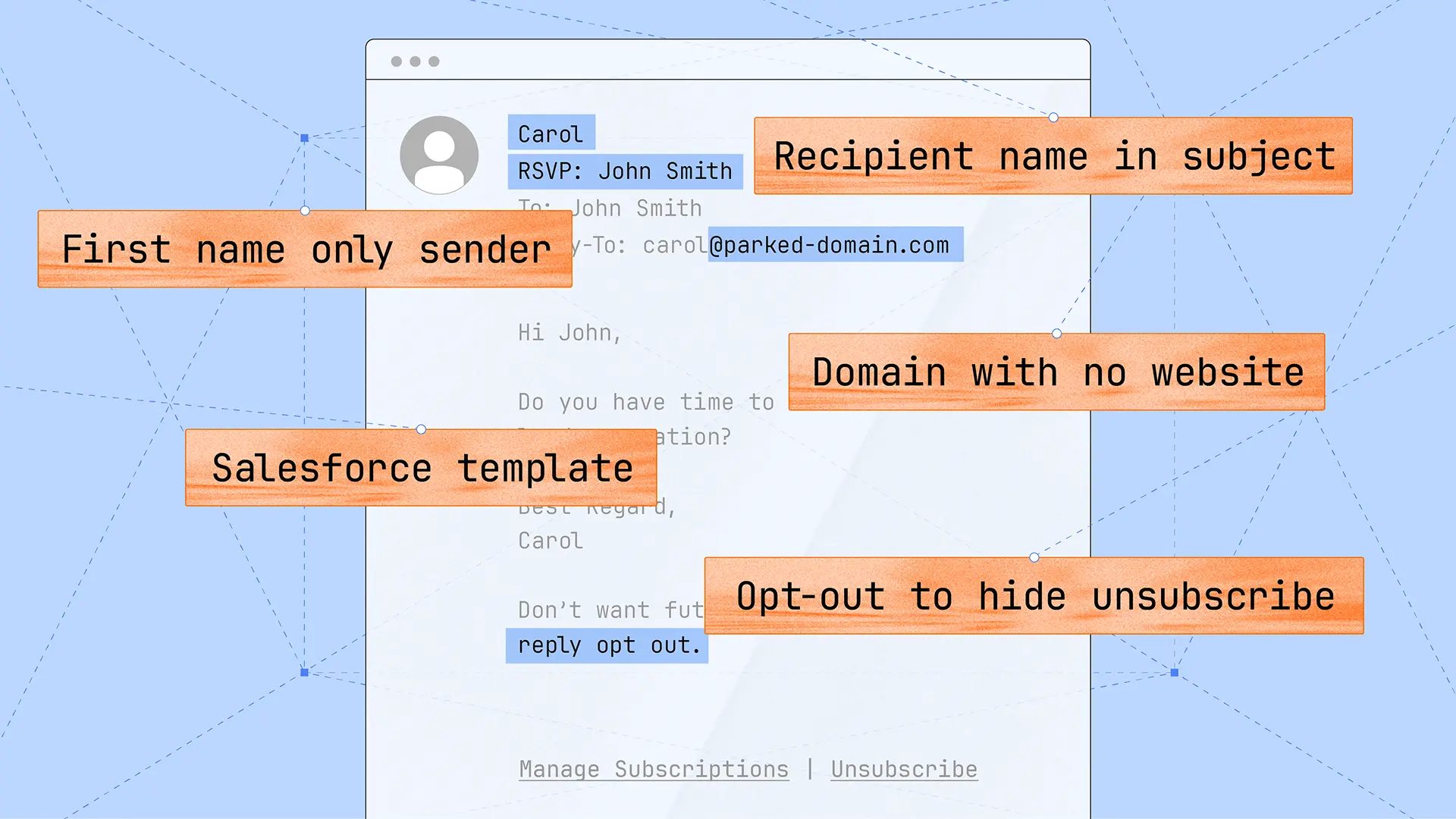
Malicious messages sent from compromised or fraudulent Salesforce accounts

.svg)
Over the past few months, we’ve seen a steady stream of email attacks and spam sent over legitimate Salesforce infrastructure. It is unclear exactly how adversaries are gaining access to Salesforce infrastructure, but it’s speculated that they could be compromising existing Salesforce accounts or spinning up fraudulent accounts on stolen payment information.
Like other Living Off Trusted Sites (LOTS) attacks we’ve written about, adversaries are leveraging Salesforce infrastructure to boost legitimacy and aid in evasion. Salesforce is a trusted company (legitimacy) and blocking messages from their infrastructure en masse would result in a high percentage of false positives (evasion). Let’s take a look at a few different types of messages we’ve seen and the signals Sublime uses to stop them.
Spam/Recon via Salesforce infrastructure
The first type of message we’ll look at is also the highest volume type of message, with thousands being sent in bulk. The intent of these messages is to get the target to respond with an “opt out” message to unsubscribe. Responding confirms both target receipt and engagement. This small interaction could result in the target being added to a high intent spam list, the initiation of a BEC attack, and more. Here’s an example email:
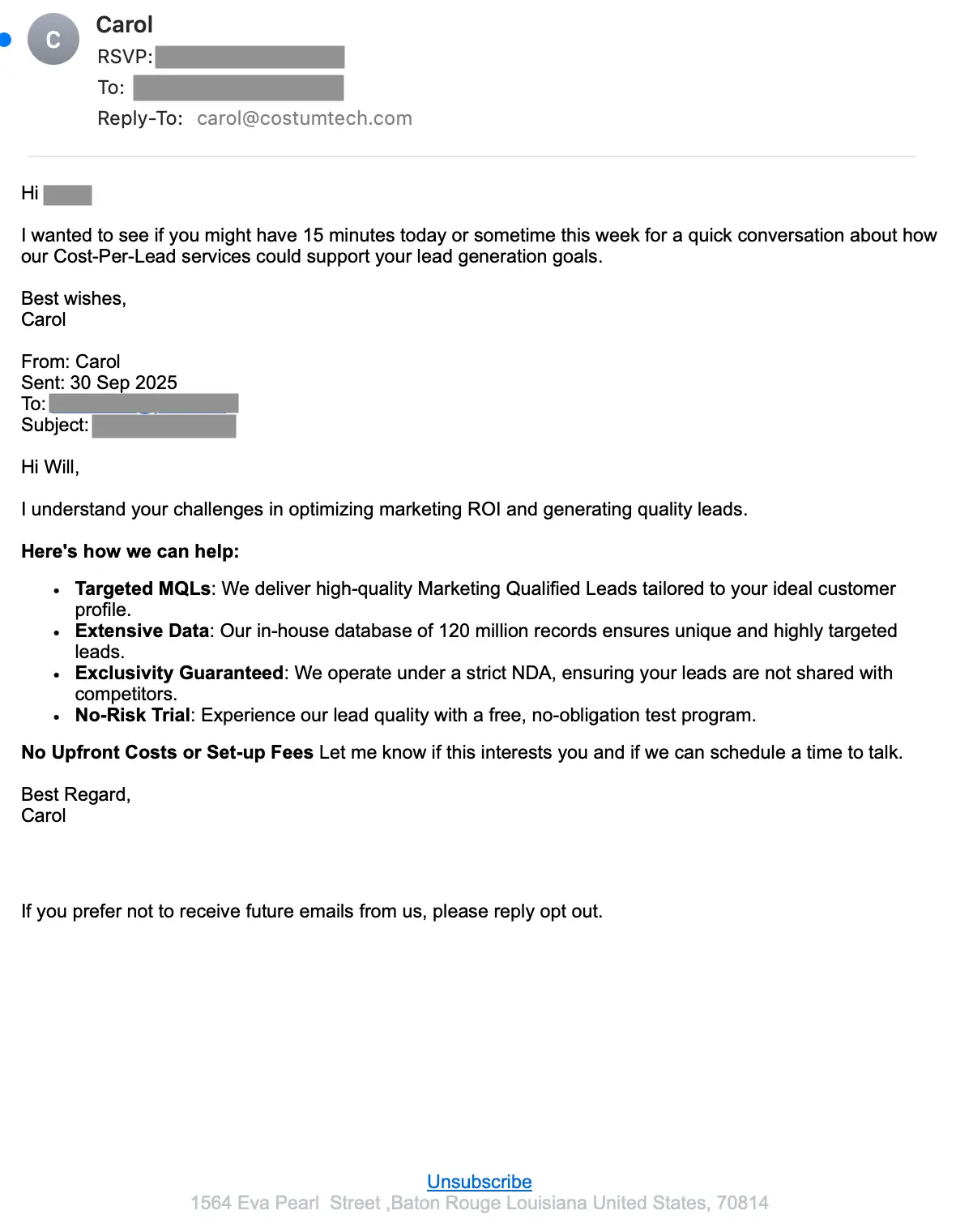
These messages contain a few recurring themes:
- The subject line contains the name of the recipient.
- The sender provides only a first name.
- The sender’s domain is parked (i.e. doesn’t have a website).
- There is an attempt at a fake thread, which is common in BEC attacks.
- The message contains instructions to respond with “opt out” and multiple blank lines of padding to prevent the use of the Unsubscribe button (provided by Salesforce) at the bottom.
While many of these signals appear in malicious messages, they could also be adopted by marketing teams that intend to leverage the same proven tactics for driving non-malicious engagement.
Job scam credential phishing sent via Salesforce infrastructure
We recently covered the ongoing barrage of credential phishing job scams sent through a variety of methods. A significant amount of those attacks were sent using Salesforce infrastructure. Here’s an example impersonating a Nike recruiter:
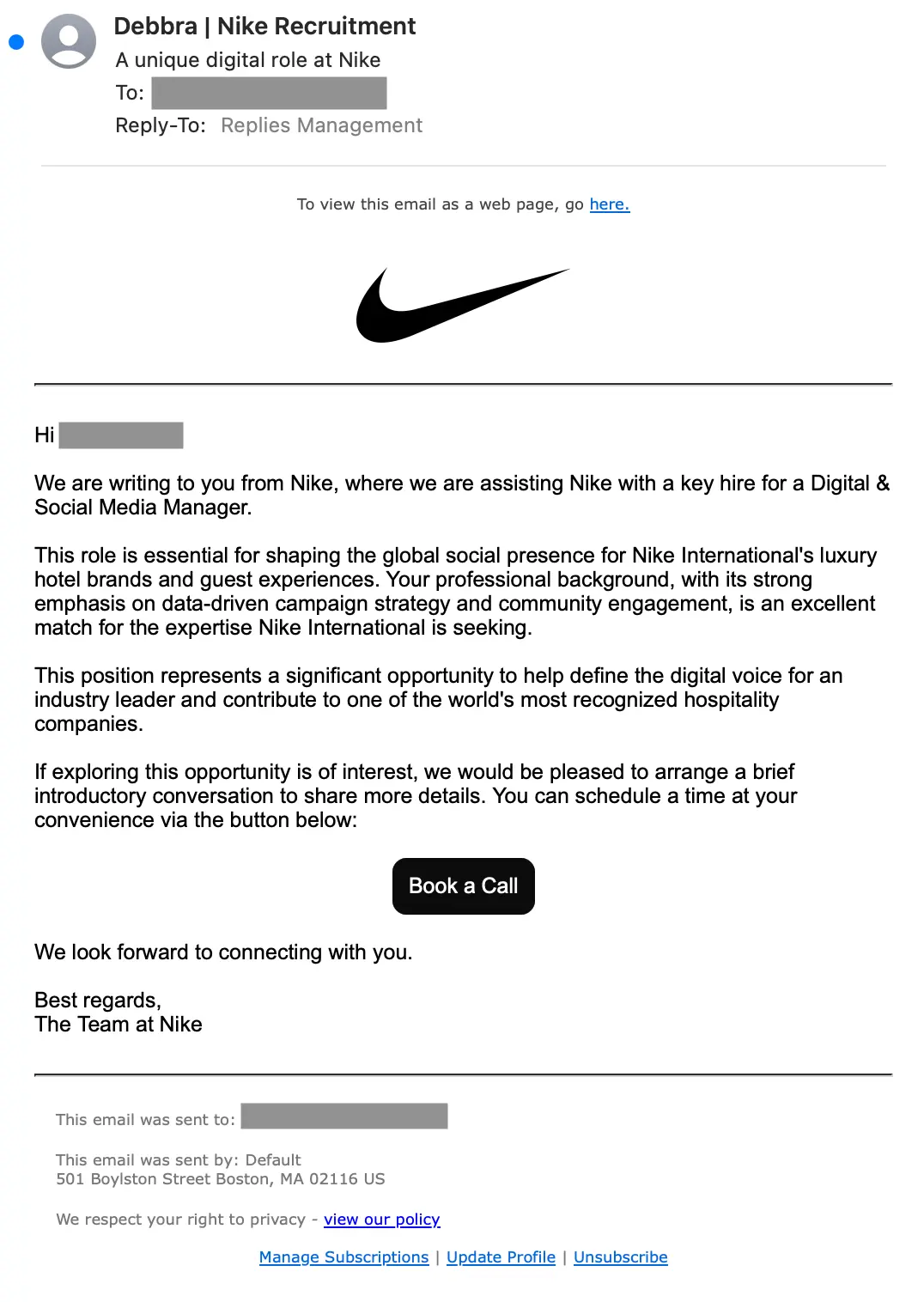
The Book a Call button leads directly to a credential phishing page hosted on Vercel (nikewaycareers.vercel[.]app). But since this message was sent via Salesforce, it contains many more legitimate links than suspicious:
- At the top of the message, “To view this email as a web page, go here.” links to
view.s12.exacttarget[.]comwhich redirects to tos12.view.sfmc-marketing[.]com. - All four management links at the bottom link to
cl.s12.exct[.]netURLs.
We’ve observed variants of this attack imitating many different companies and used for both credential and callback phishing.
Crypto wallet phishing via Salesforce infrastructure
In this last attack, we see Salesforce being used to deliver a crypto wallet theft payload. Just like the previous attack, the bad actor uses the Salesforce email template with all of the legitimate management links. In this case, though, they impersonate Trust (a company that offers a crypto wallet) and offer a chance to participate in a Shiba Inu token airdrop.
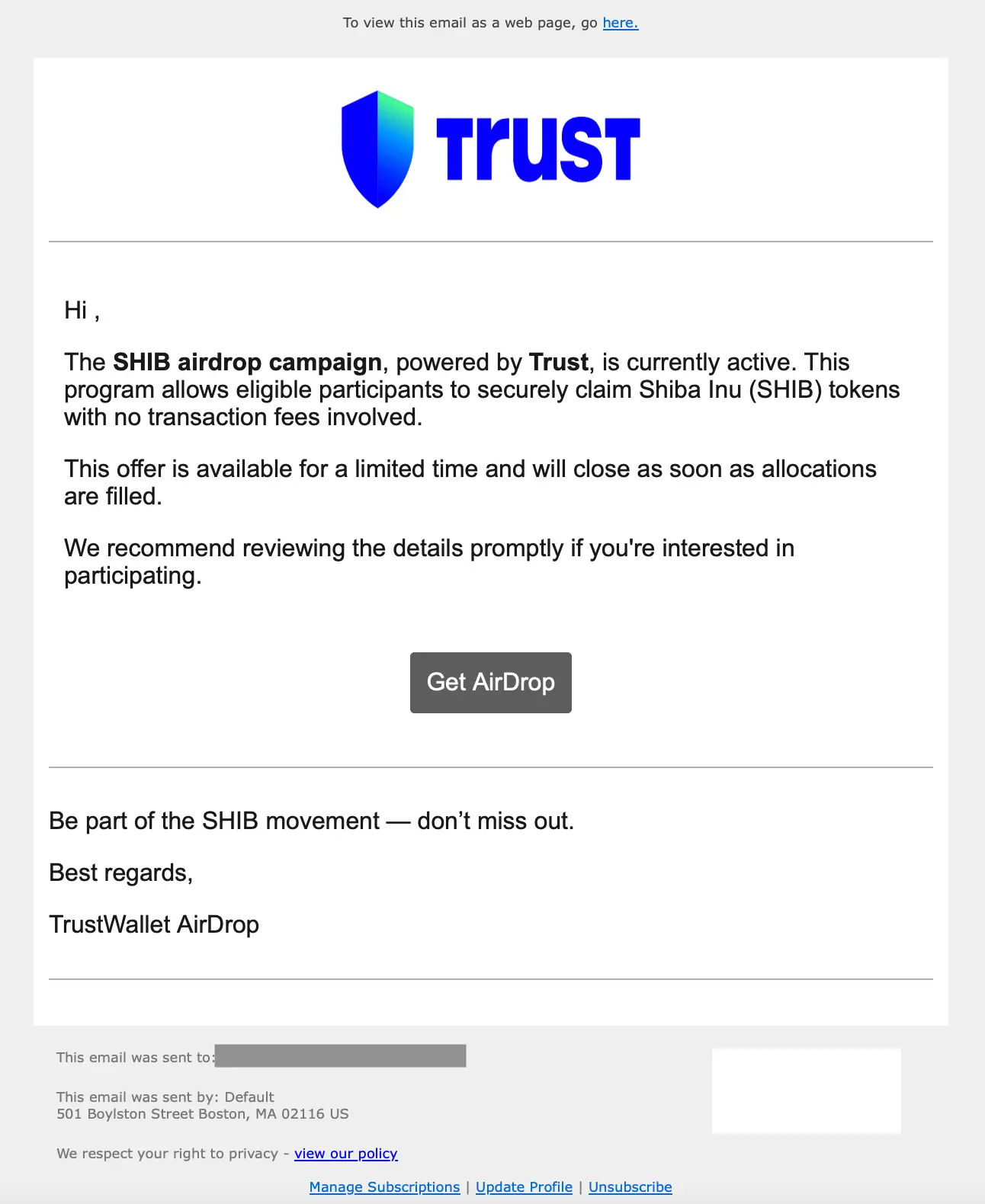
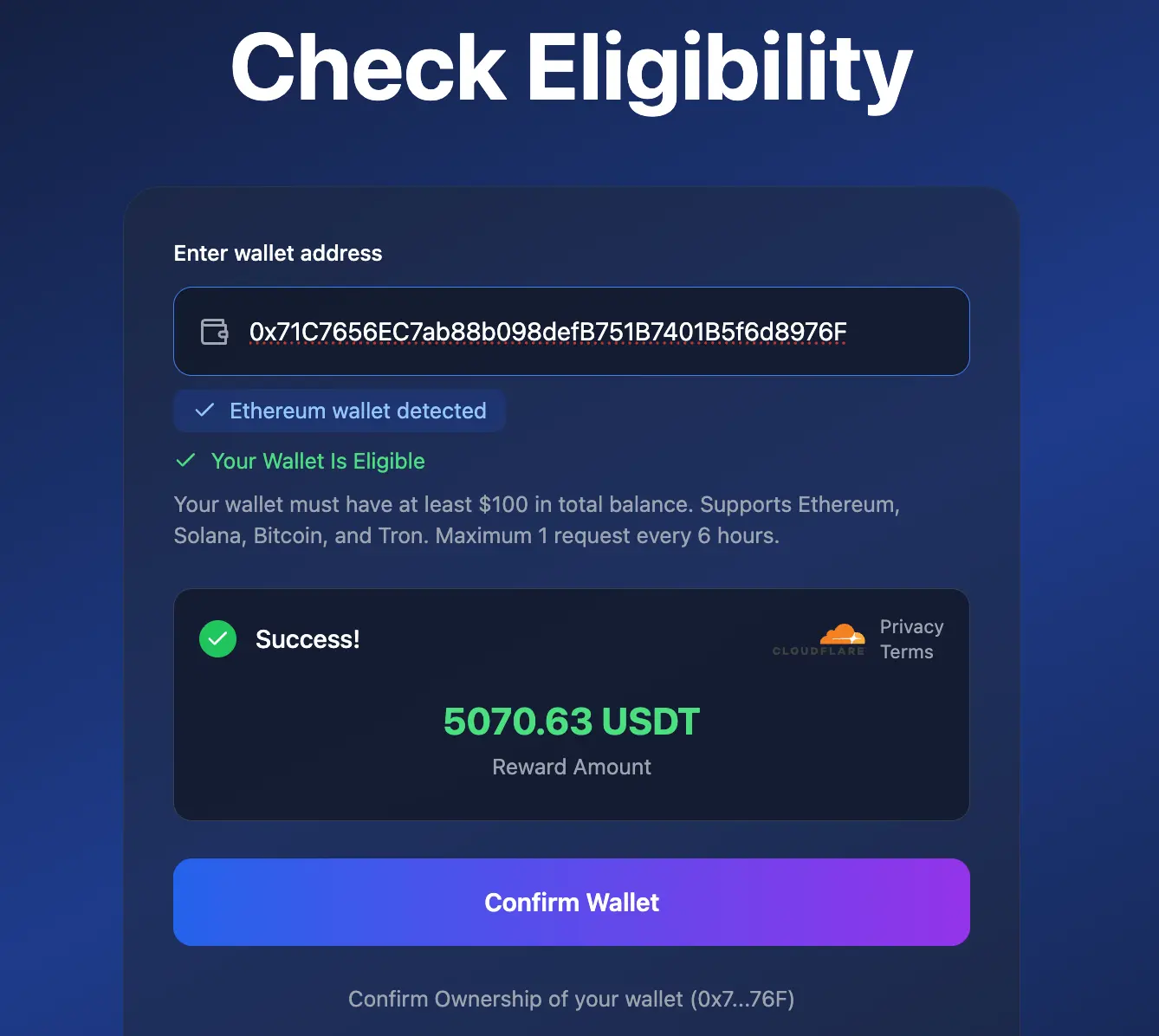
Hovering over the Get AirDrop button shows a preview link of nam12.safelinks.protection.outlook[.]com that contains a URL redirect to Salesforce infrastructure. Clicking on that button follows the URL redirect and then redirects one more time to a free pages[.]dev Cloudflare page (we previously covered this malicious use of Cloudflare pages) that harvests crypto information:
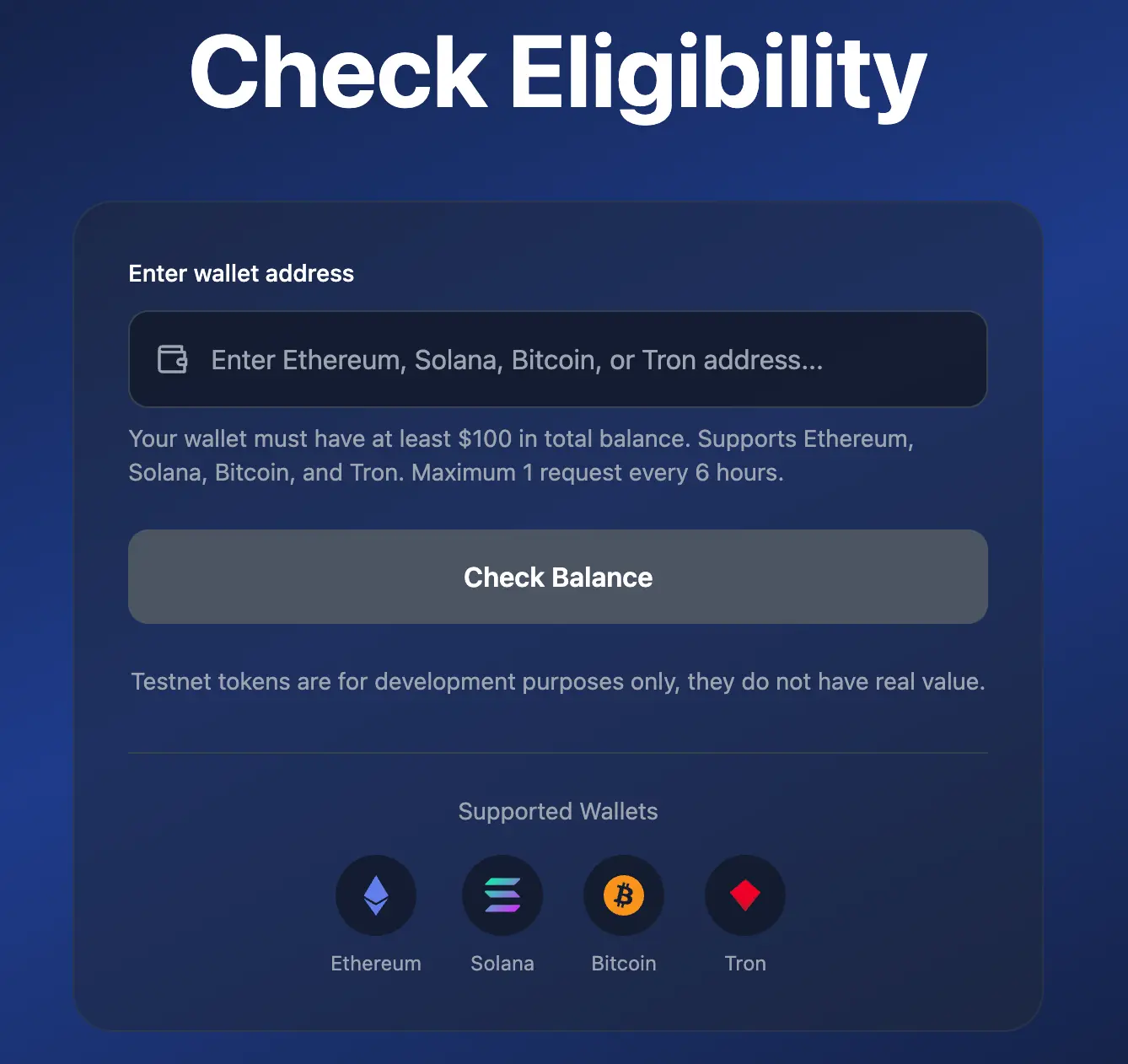
After entering a wallet address, the page confirms if the wallet is real.
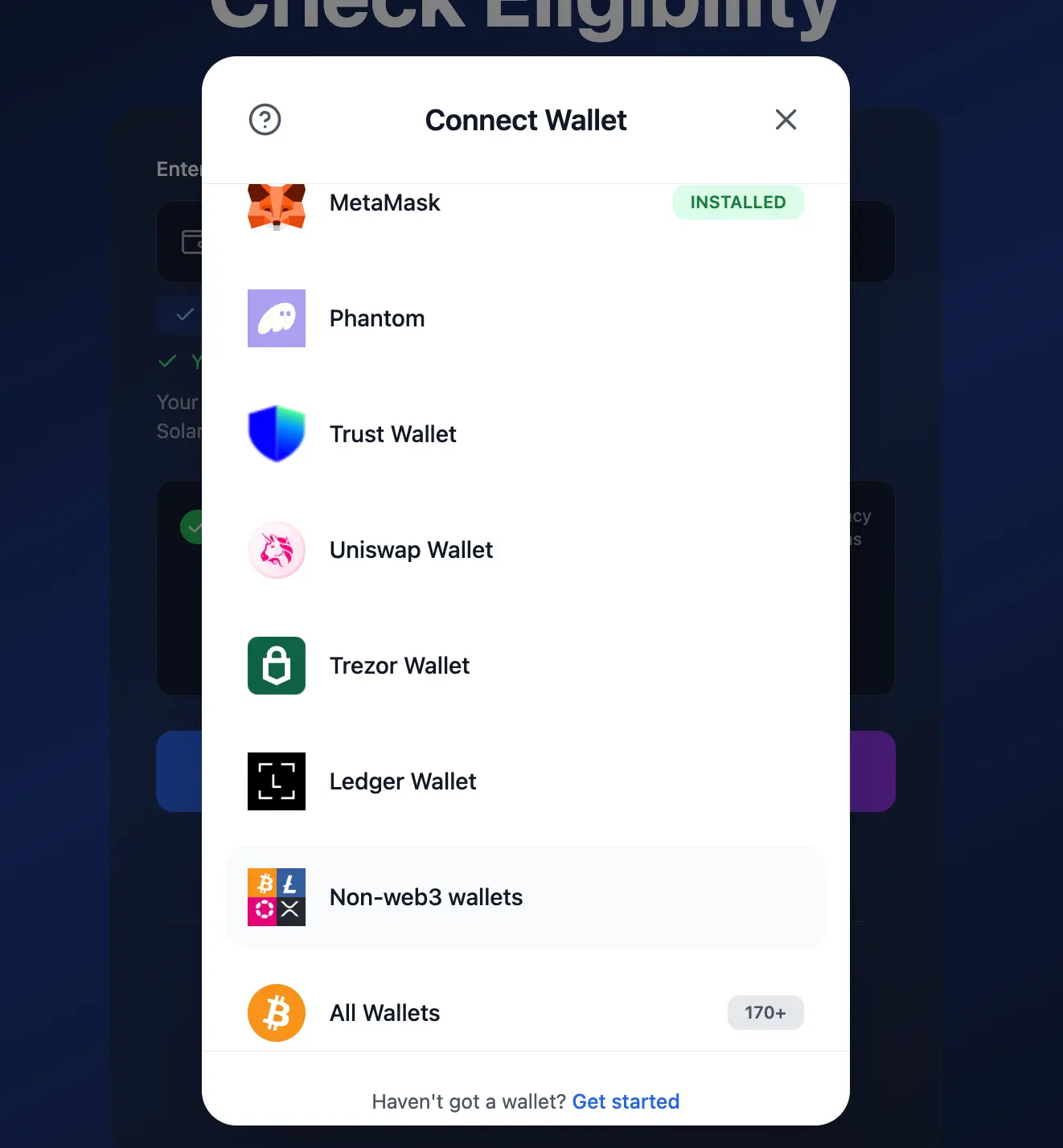
After confirmation, you’re asked to connect to a wallet… again.
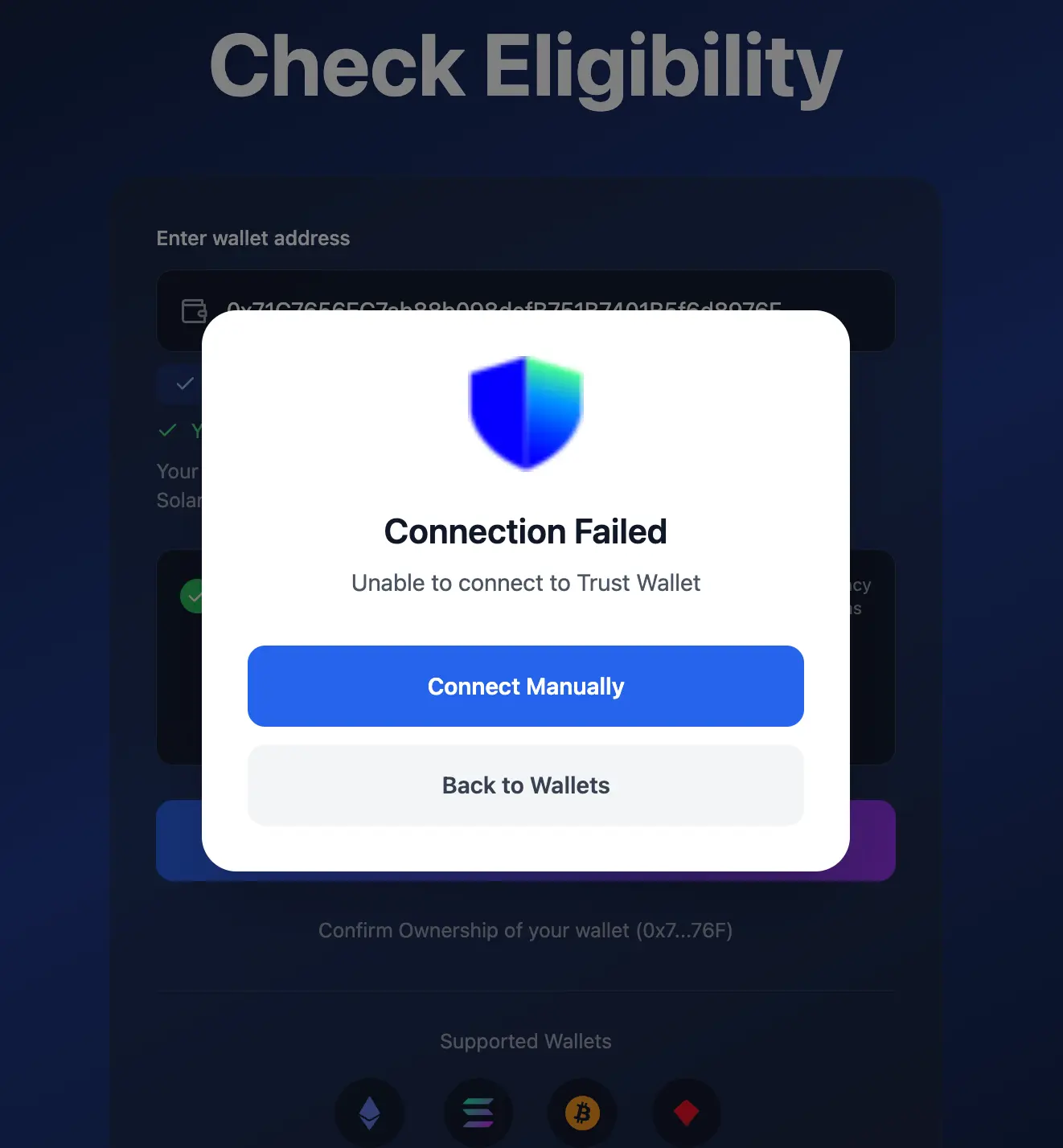
The connection attempt will fail, and the target will be forced to manually connect.
They are prompted for a recovery phrase to complete the connection. Note the mismatch before the 24-word prompt and the 12 text fields.
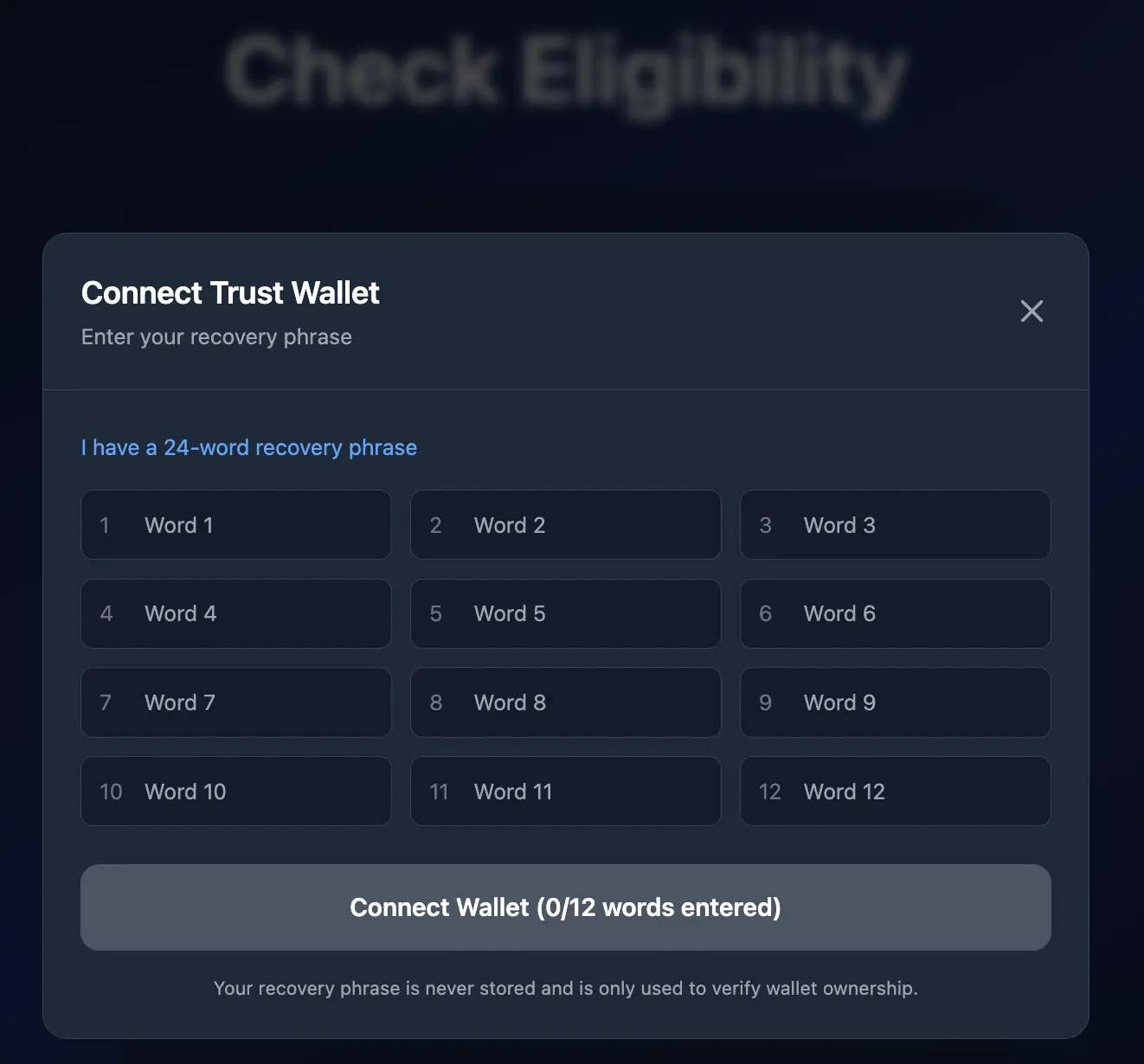
After filing out the 12 boxes and clicking connect, no validation occurs. Instead, the target is taken to a confirmation screen indicating a successful connection and the upcoming transfer of reward tokens.
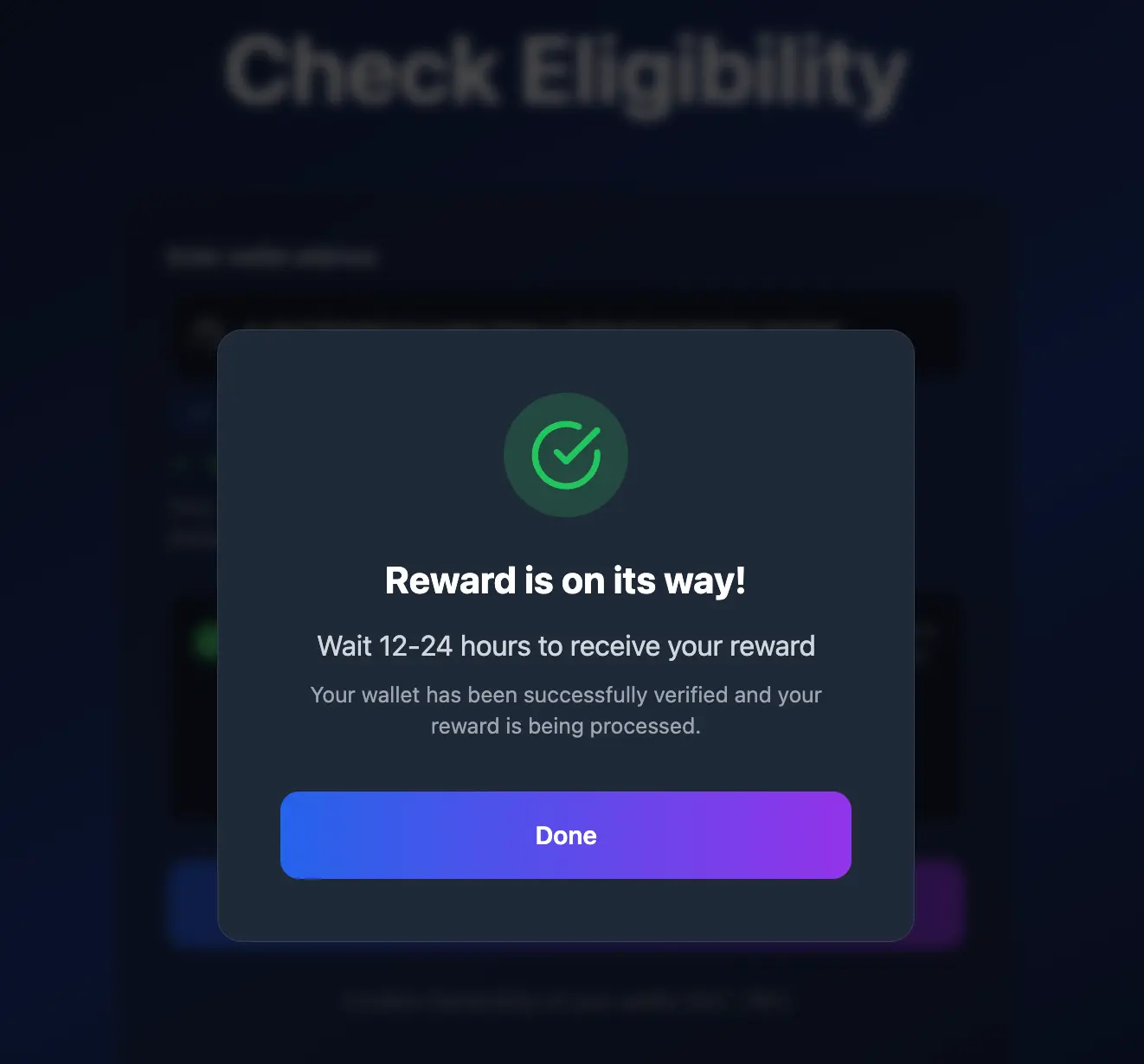
At that point, the bad actor has all the details needed to siphon fund from the crypto wallet.
Detection signals
Sublime's AI-powered detection engine prevented the above attacks. While each attack leveraged legitimate Salesforce infrastructure, each also offered a variety of detection signals. Here are some of the top signals from the crypto phishing attack:
- Salesforce infrastructure abuse: Message comes from suspicious sender and includes header hops and links to domains on Salesforce infrastructure.
- Redirect to free Cloudflare page: The CTA link redirects to a free Cloudflare page, a known credential phishing tactic.
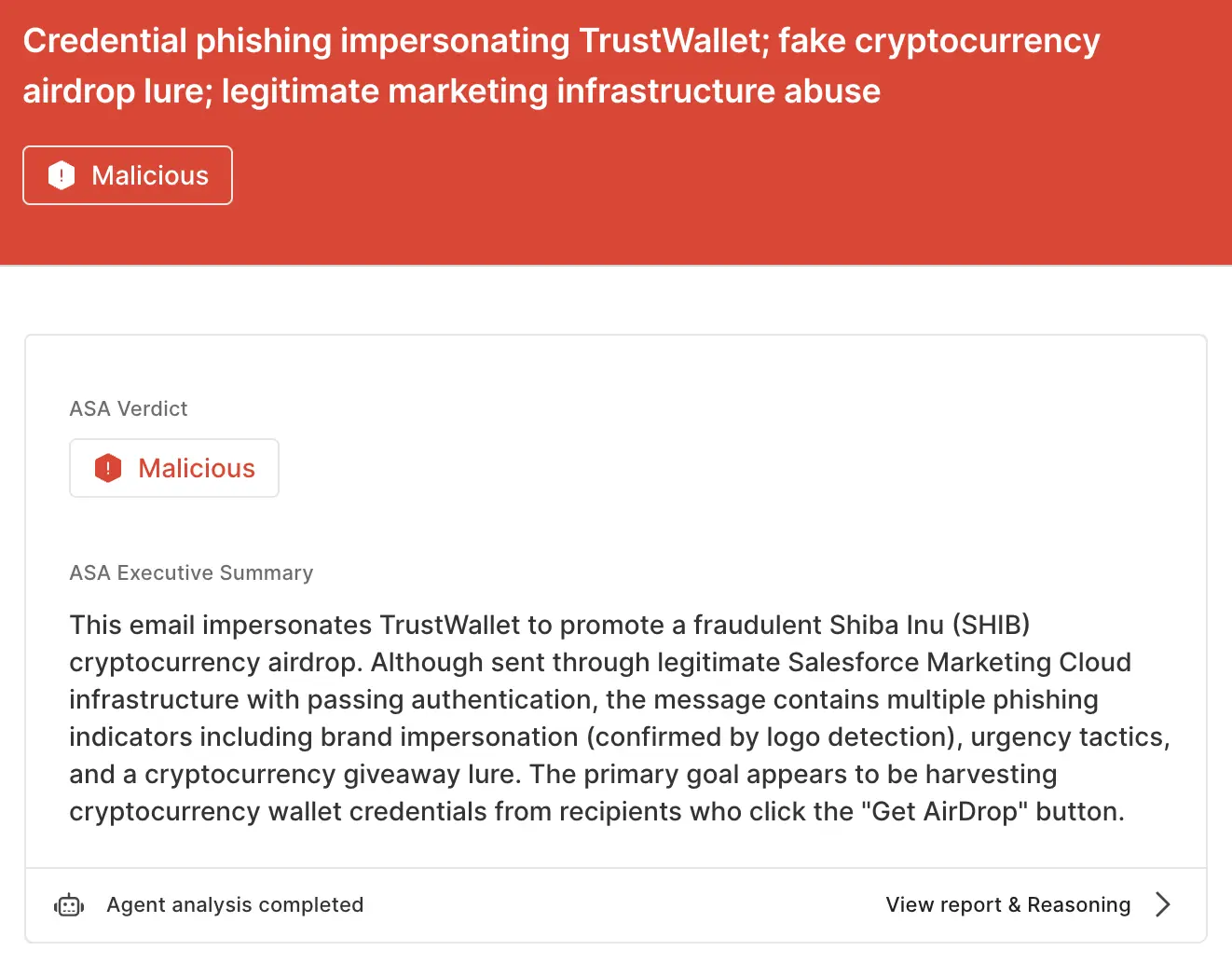
- Brand impersonation: TrustWallet impersonation confirmed by logo detection.
- Free crypto offer: Offering free crypto tokens is a common phishing lure.
- Urgency: Phrases like “limited time” and “will close soon” push the target to take quick action.
- Generic greeting: Missing recipient name (”Hi ,”) may indicate mass phishing.
ASA, Sublime’s Autonomous Security Analyst, flagged these emails as malicious. Here is ASA’s analysis summary for the crypto attack:
Stop malicious attacks over legitimate infra
While Salesforce abuse is real and rampant, it’s not an instant indication of malicious intent. That’s why the most effective email security platforms are adaptive, using AI and machine learning to shine a spotlight on the suspicious indicators of the scam. To see how Sublime can keep these attacks out of your inboxes, get an expert demo today.
If you enjoyed this Attack Spotlight, be sure to check our blog every week for new blogs, subscribe to our RSS feed, or sign up for our monthly newsletter. Our newsletter covers the latest blogs, detections, product updates, and more.
Read more Attack Spotlights:
Heading
About the authors
Brandon is a Threat Detection Engineer at Sublime. He is a seasoned cybersecurity professional with over a decade of experience protecting internet users. Prior to Sublime, Brandon put his detection engineering expertise to use as a Sr. Staff Threat Analyst at Proofpoint.

Get the latest
Sublime releases, detections, blogs, events, and more directly to your inbox.
.svg)
Related Articles





Frequently asked questions
Now is the time.
See how Sublime delivers autonomous protection by default, with control on demand.
.svg)