
Shut down credential phishing with Sublime
A single successful credential phishing attack opens the door for financial scams, data exfiltration, and more. Sublime's AI-powered adaptive email security keeps credential phishing out of inboxes and safely in quarantine.


Credential phishing in a nutshell
Credential phishing attacks are designed to steal login information with fake login pages.
These emails impersonate trusted services and use urgent language to lead targets to a convincing, fake login page.
If credentials are entered, the attacker captures them immediately. The damage doesn't stop at just stealing logins. Once attackers gain access, they can move through an organization, steal sensitive data, send internal phishing emails, or more.

"We saw a phishing attack that abused legitimate Microsoft infrastructure in a way we hadn’t encountered before. Sublime picked up on it, and by the next time it showed up, protections were already in place."
What makes credential phishing so effective
Credential phishing can be difficult to catch when emails appear authentic and malicious links lead to legitimate looking login pages.

Expert impersonation
Credential phishing attacks will clone real notification emails and login pages in order to create authenticity and improve click rates.

Adversary in the middle
Credential phishing attacks can leverage AITM techniques, passing login info from their fake page to a real auth service to bypass suspicion and MFA.

Rapid iteration
Attackers will use phishing kits to rapidly deliver, iterate, and vary attacks, allowing them to learn what techniques get them past security and into inboxes.
Tools to protect against credential phishing
Sublime uses a layered combination of AI, machine learning, and org-specific detections to catch the credential phishing attacks.
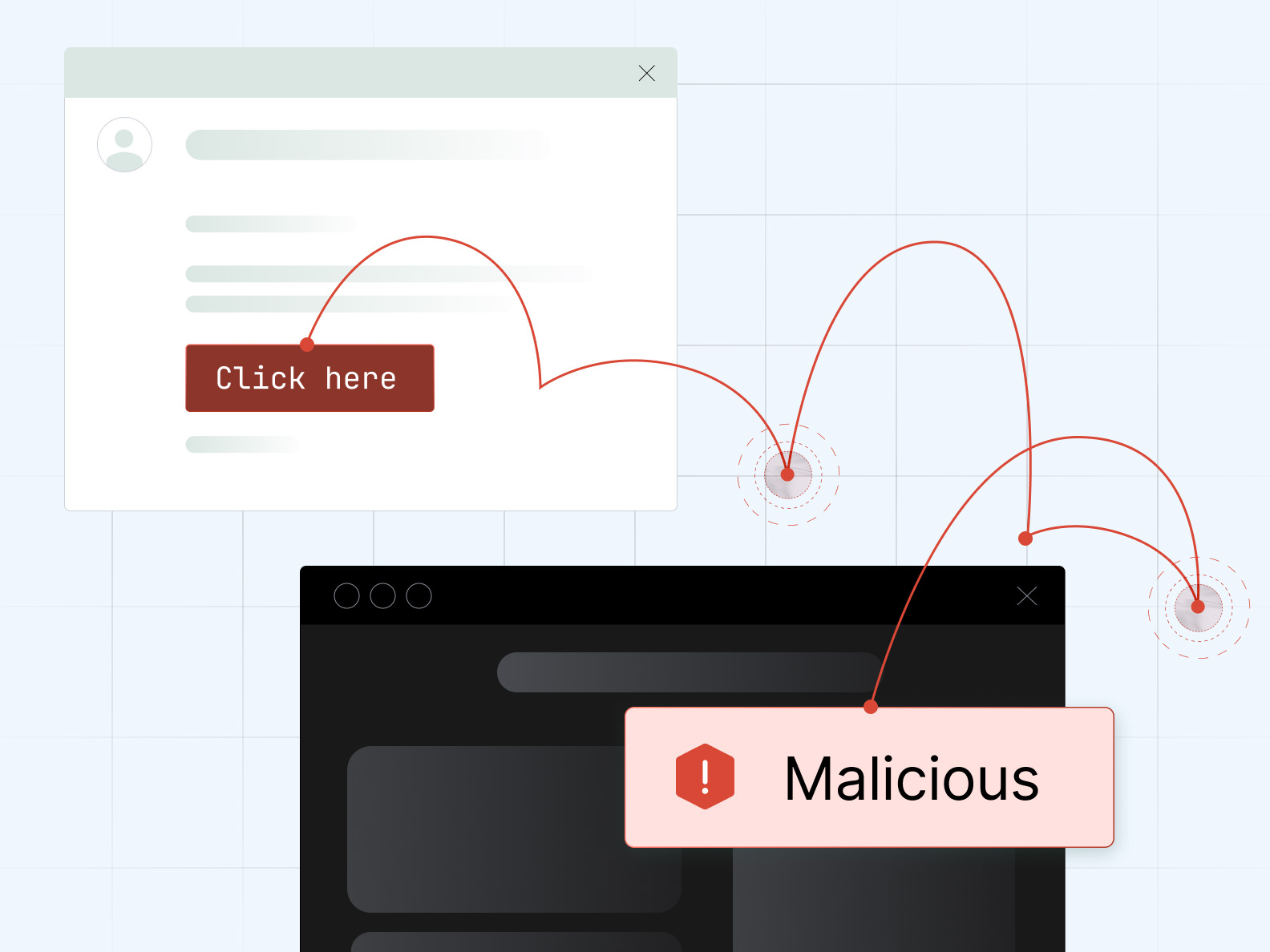
Sublime uses a browser emulation sandbox and machine learning to follow links through redirects to resolve the effective URL and collect a screenshot for further analysis.
Sublime uses computer vision to detect logos, identify CAPTCHAs, and recognize login forms. When combined with other suspicious signals, credential stealing phishing messages go straight to quarantine.

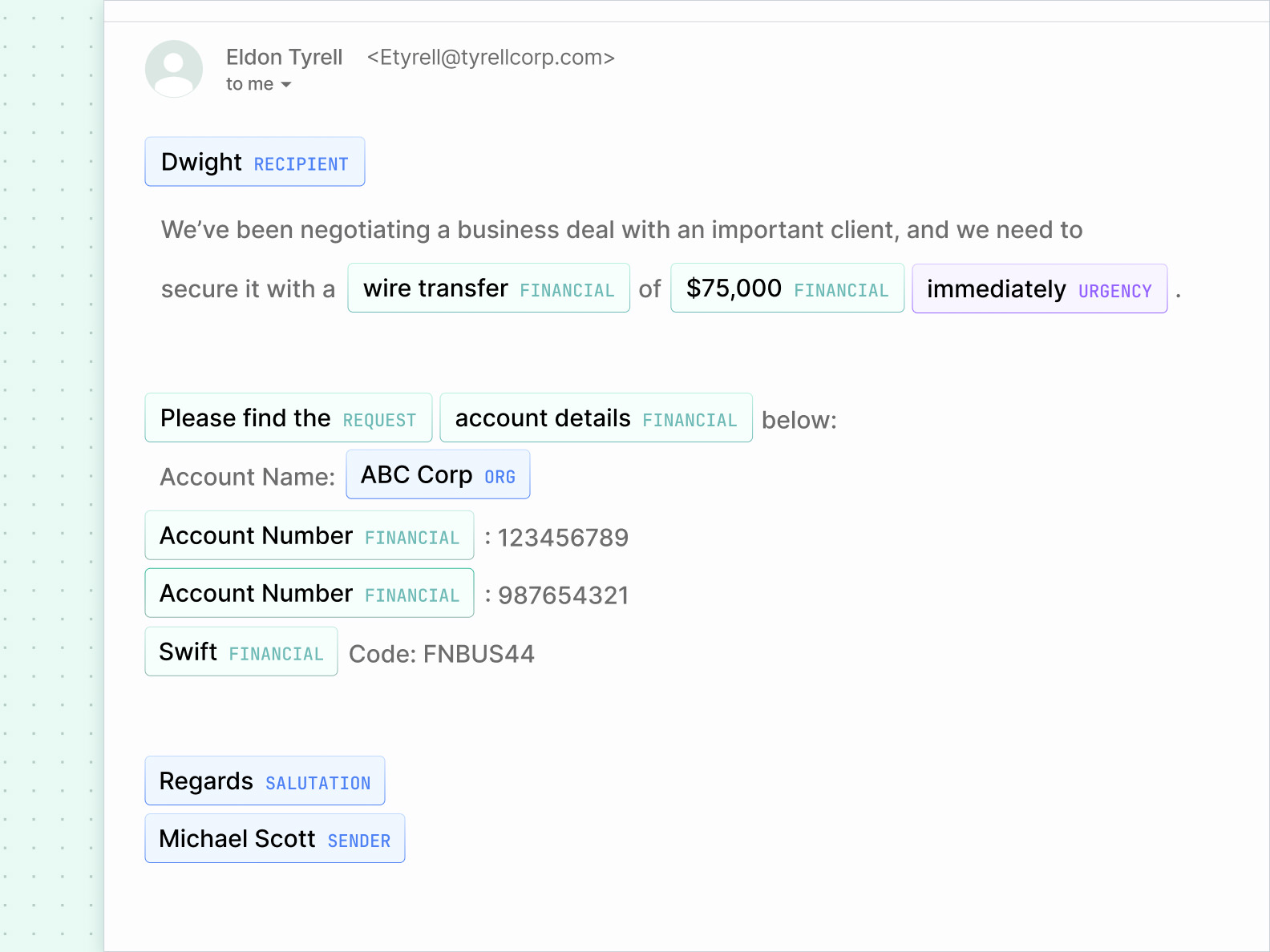
Sublime uses Natural Language Understanding (NLU) to understand the intent behind a message. By comparing the intent with the context of an email, credential phishing quickly comes into focus.
Advanced credential phishing protection for your organization
See how Sublime's comprehensive platform can safeguard your business from credential phishing campaigns and similar threats.
.svg)
Latest on credential phishing
The latest news, research, and attack spotlights about credential phishing.
.png)


Frequently asked questions
What is credential phishing?
Credential phishing is a phishing technique designed to steal usernames, passwords, session tokens, or MFA credentials through fraudulent login pages. Attackers often impersonate Microsoft 365, Google Workspace, or Okta to capture user credentials.
How does Sublime Security detect credential phishing attacks?
Sublime Security credential phishing by analyzing emails, links, sender behavior, and phishing landing pages. The platform uses browser emulation, computer vision, and customizable detections to identify credential theft attempts that evade traditional secure email gateways.
Why are credential phishing attacks difficult to detect?
Credential phishing campaigns frequently rotate infrastructure, abuse legitimate services, and use realistic login pages to evade detection. Some attacks also use adversary-in-the-middle (AITM) phishing kits designed to capture MFA credentials and authenticated sessions.
Can Sublime Security detect adversary-in-the-middle (AITM) phishing?
Yes. Sublime detects AITM phishing by identifying suspicious domains, redirect chains, phishing infrastructure, authentication flows, and signals associated with MFA bypass techniques.
How does Sublime Security analyze phishing links and landing pages?
Sublime uses browser emulation to safely analyze phishing links, follow redirects, and inspect destination pages. The platform can evaluate login forms, screenshots, and page behavior to identify credential harvesting and brand impersonation.
What happens when Sublime Security detects a credential phishing email?
When Sublime detects a credential phishing email, it can automatically quarantine or remediate the message and trigger response workflows. Analysts can also investigate related links, phishing pages, and attacker infrastructure using message telemetry and behavioral indicators.
Now is the time
See how Sublime delivers autonomous protection by default, with control on demand.
.avif)
