.svg)

.svg)
.svg)
.png)




Email security software for
SaaS companies
Autonomous protection that stops more attacks, adapts defenses in hours, and eliminates extra work.










.svg)






Why traditional email security fails SaaS companies
Attacks outpace vendor updates
SaaS companies move fast - and so do attackers. Centralized detection models retrain on a fixed cycle, leaving your environment exposed between updates while threats evolve in real time.

Black boxes break workflows
When a legitimate vendor email gets flagged and you can't see why, the only option is a support ticket. Meanwhile, your sales cycle, invoicing, and customer comms pay the price.
One-size coverage misses your threats
Your environment isn't like everyone else's. SaaS orgs face a distinct mix of executive impersonation, hijacked vendor threads, and spear phishing that generic detections aren't tuned to catch.
Manual triage
never ends
Security teams spend significant time sorting user-reported email – triaging what's a real threat versus what's noise. That's time your team doesn't have, on a problem that shouldn't require it.
How Sublime protects SaaS companies
Sublime was built for environments where threats move fast, workflows matter, and your team needs protection that works on day one – and keeps getting better.
Tailored to your environment
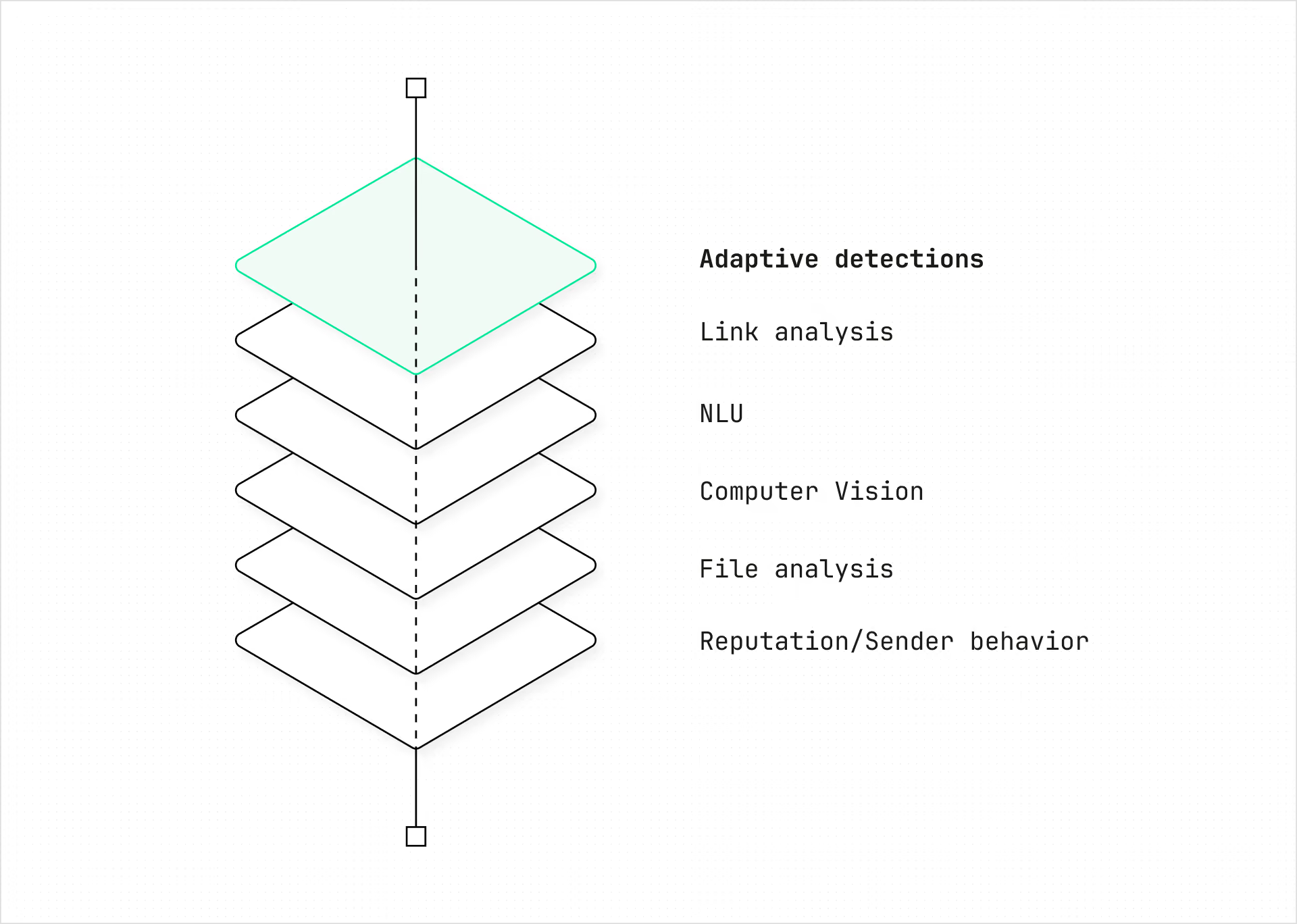
Legacy platforms generalize across customers, so every org inherits the same blind spots. Sublime builds org-specific coverage using natural language understanding and link analysis, built to catch targeted, context-rich attacks that legacy tools often miss.
.svg)
ASA clears your abuse mailbox
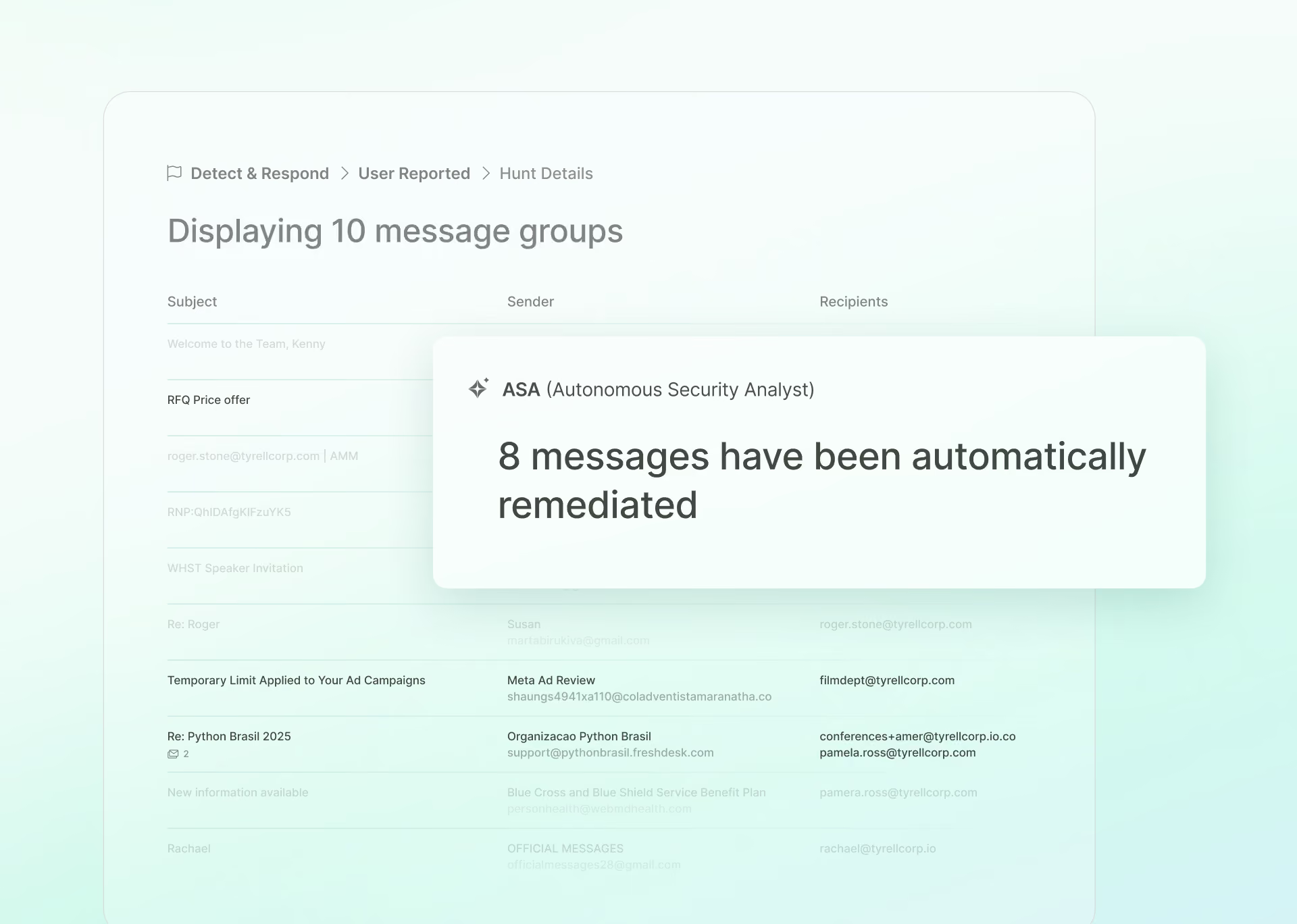
ASA (Autonomous Security Analyst) triages, investigates, and resolves user-reported email in seconds – eliminating hours of daily manual work. Your team stays focused on the threats that actually need attention, not the ones a machine can handle.
Coverage gaps close in hours
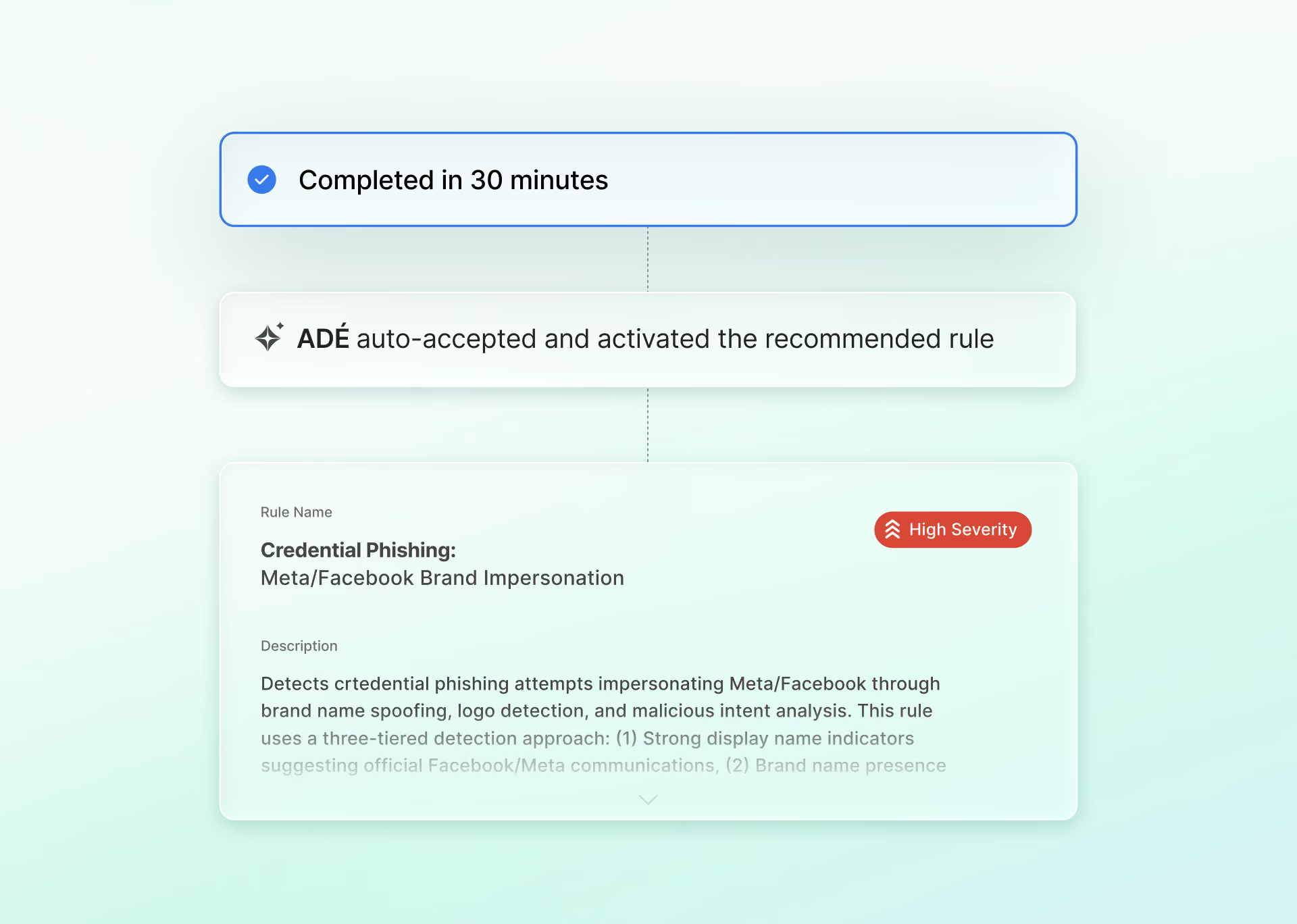
When attackers iterate, ADÉ (Autonomous Detection Engineer) generates and deploys new org-specific detections before the next wave hits – in hours, not vendor update cycles.
Transparent by design, actionable on demand
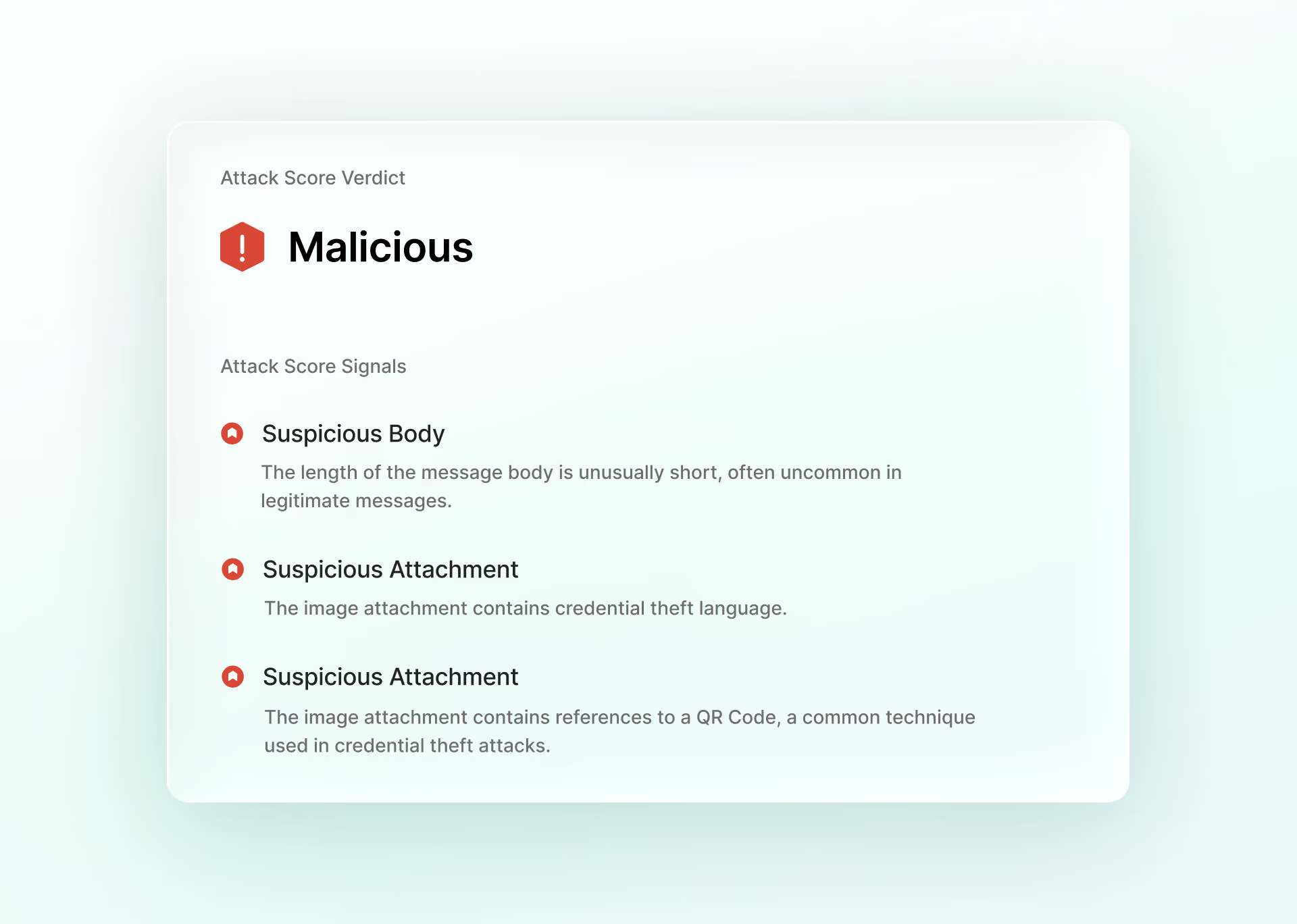
Every Sublime decision traces to a specific signal and email content. See exactly why something was blocked or missed, resolve a false positive instantly, and scope exceptions for legitimate workflows – no vendor required.
Explore how Sublime integrates with your existing email and security infrastructure.
.svg)
Common email threats targeting SaaS companies

Executive and VIP impersonation
Attackers impersonate your CEO, CFO, or board members to redirect wire transfers, harvest credentials, or manipulate employees into approving access changes. SaaS orgs – with distributed, exec-facing finance and ops workflows – are a high-value target.
Vendor and supply chain compromise
Attackers hijack real vendor threads or spoof trusted suppliers to insert themselves into ongoing conversations. These attacks bypass traditional detection because they arrive from legitimate-looking senders with real context – making high-fidelity analysis essential.
Spear phishing and credential theft
Targeted campaigns use personalized context – your product, team structure, or tools – to steal credentials and gain cloud access. In SaaS environments where access is everything, a single compromised account can become a breach.
Outbound data exposure
Misconfigured automations, departing employees, and insider risk can push sensitive customer data, credentials, or regulated information out through email. Traditional email security focuses on inbound – and misses what's leaving through outbound and internal traffic.
Why SaaS security teams choose Sublime
Your team gets more coverage with less work – from day one, and as threats evolve.
Shrink your queue and focus on what matters
ASA and ADÉ handle the work that buries security teams: triage, investigation, and keeping detections current. The cases that reach your analysts are the ones that actually need them.

Fix false positives without a support ticket
Every verdict in Sublime ties to readable logic and specific email content, so when a legitimate message gets flagged, you see exactly why and resolve it directly. No vendor involvement, no waiting. Scope exceptions for recurring workflows and they stay out of the queue.

Keep email data in your environment if needed
Deploy as SaaS, single-tenant SaaS, or self-hosted in your own VPC. For teams with data residency or compliance requirements, the choice is yours without trading away protection.

Works with the stack you already run
Sublime connects to Microsoft 365 and Google Workspace via API, with no MX record changes. Threat signals flow into your SIEM, SOAR, and Slack through webhooks and APIs, fitting into existing workflows rather than creating new ones.

Sublime in numbers
80%
Faster user report investigation

70%
Reduction in false positives using Sublime
.svg)
5x
Efficiency gain — Cut weekly email security management time from 10 hours to under 2

In a space filled with black-box AI solutions, working with a transparent and open platform that gives you everything you need to detect and prevent email attacks is gold dust.


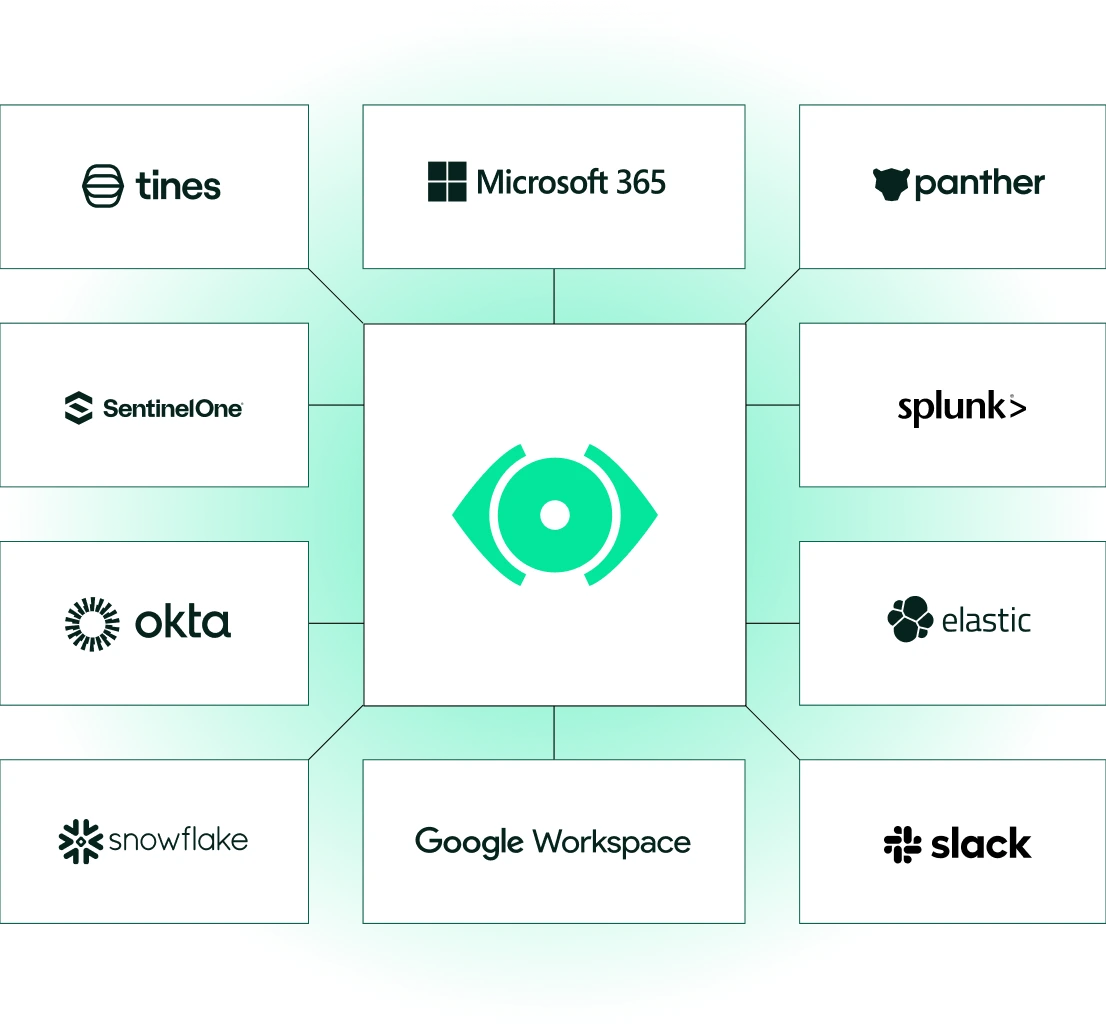
Fits your stack
Sublime connects to the tools you already run. Open, API-native, and built to fit your workflow.
Microsoft 365 and Google Workspace integration
Connect in minutes via API. No MX record changes, no disruption to mail flow.
Flexible deployment
Cloud SaaS, single-tenant SaaS, or self-hosted. API or inline protection.
SIEM and SOAR integration
Export events to your SIEM, trigger SOAR playbooks, and push alerts to Slack, so your team works from the tools they already use.
What our customers are saying
.svg)

The black box approach to email security no longer works. It reduces visibility on how Brex may be attacked and the tactics and techniques used by attackers.
With Sublime, we now have transparency and the confidence to keep up with emerging threats.

Mark Hillick
CISO, Brex

The ability to automate remediations with high confidence and minimize manual reviews unlocks a new level of efficiency in our SOC. It’s hard to imagine going back to life before Sublime.

JJ Agha
CISO, Fanduel

What I love about the platform is that it just works. I’m so tired of all these tools I have to futz with, and Sublime is just easy.

Jason Kikta
CISO, Automox

With Sublime, we no longer wait weeks for vendor updates. Our team reacts instantly - which is critical for our fast-moving environment.
Email security FAQs for SaaS companies
What email threats are most common in SaaS companies?
SaaS organizations face a concentrated mix of executive impersonation, vendor and supply chain compromise, spear phishing targeting cloud credentials, and outbound data exposure from misconfigured automations or insider risk. These attacks are targeted and contextual – they're designed to look legitimate, which is why generic, centralized detection models frequently miss them.
Which SaaS companies benefit most from advanced email security?
Any SaaS organization with a security or IT team that manages cloud infrastructure, handles customer data, or runs finance workflows through email. That includes early-stage companies with lean security teams that need protection to run with minimal overhead, and larger SaaS orgs with technical teams that want to tune coverage, reduce false positives, and integrate with a broader stack.
What should SaaS companies look for in an email security platform?
Look for a platform that adapts coverage to your specific environment rather than applying the same detection logic to every customer. You need to be able to see why a decision was made, fix false positives without filing a ticket, and close coverage gaps in hours – not wait weeks for a vendor update. Deployment flexibility and integrations with your SIEM, SOAR, and collaboration tools matter too, especially if you have data residency requirements.
Do SaaS companies need both API-based email security and a secure email gateway (SEG)?
Most modern SaaS companies don't need a SEG. API-based platforms like Sublime connect directly to your existing email provider – Microsoft 365 or Google Workspace – without requiring MX record changes or routing email through a third party. This simplifies deployment, avoids introducing latency into your email flow, and gives you more precision and direct control than a traditional gateway.
Why do SaaS security teams choose Sublime as their email security solution?
Teams switching from incumbent platforms usually cite two things: repeat false positives with no visibility into why, and no ability to act without going through a vendor. Sublime shows exactly what triggered a detection, lets you resolve false positives directly, and adapts coverage in hours when new threats emerge. For teams with stricter data handling requirements, the ability to deploy single-tenant or self-hosted in your own VPC is also a concrete factor in the decision.
How much configuration and ongoing management does Sublime require?
Sublime is autonomous by default. ASA handles abuse mailbox triage in seconds, and ADÉ generates and deploys new detections as threats evolve – so the platform keeps your coverage current without requiring manual updates. For teams that want to go deeper, the detection logic is fully visible and configurable. You can tune coverage, scope exceptions, and build org-specific detections. Control is available on demand – but you don't have to use it to stay protected.
How does Sublime handle false positives on business-critical email?
When a legitimate email is flagged, you can see exactly why – down to the specific signal – and resolve it directly without contacting support. You can also scope exceptions for known workflows, like recurring vendor invoices or automated alerts, so legitimate business traffic doesn't get caught repeatedly. This is a direct fix for one of the most common pain points with incumbent platforms: opacity and the inability to act without vendor involvement.
How does Sublime integrate with Microsoft 365 and Google Workspace?
Sublime connects via API to both Microsoft 365 and Google Workspace, covering inbound, internal, and outbound email without MX record changes. Deployment typically takes minutes. From there, you can also connect Sublime to your SIEM, SOAR, and tools like Slack so threat signals flow into the workflows your team already uses.
Now is the time
See how Sublime delivers autonomous protection by default, with control on demand.